

Episode 120
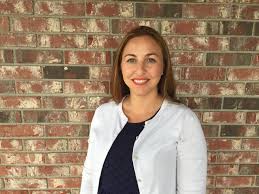
Money Stories with Dr Megan McCoy
Can uncovering your personal money story be the key to greater financial wellbeing?
Podcast (podcasts): Play in new window | Download (Duration: 48:04 — 110.1MB) | Embed
June 26, 2025
In this episode, we chat with Dr. Megan McCoy a financial therapist about money stories—the beliefs we form about money based on childhood, family, and past experiences.
A warm and insightful conversation about why we behave the way we do with money, and how understanding those patterns can lead to better financial wellbeing.
Contents
Welcomes & Introductions
Want to know more about Chris Budd’s The Financial Wellbeing Pulse? Have a listen to Episode 110 here. Producer Tommo – Director and Chartered Financial Planner at the award winning, employee owned and B Corp certified Ovation Finance! Fancy a chat with Tom Morris and the team at Ovation? Contact details here
Producer Tommo – Director and Chartered Financial Planner at the award winning, employee owned and B Corp certified Ovation Finance! Fancy a chat with Tom Morris and the team at Ovation? Contact details here
What’s on Today’s Podcast?
A chat with Dr Megan McCoy, a financial therapist about the relationship between money and happiness – financial wellbeing from a therapist direction.
Tight Ass Tommo
Featuring cheap meals, good wellbeing investments that wont save you money and free travel on your birthday.
Thank you to Rich Ellis for his suggestion – if you live in the West of England, check out the Birthday Bus website here.
Interview with Dr Megan McCoy
Chris Budd and Dr Megan McCoy met at the Financial Therapy Association Conference in San Diego
What is Financial Therapy?
2008 Recession – therapists couldn’t help patients with financial related issues and financial advisers were seeing increased issues therapy could help with. There was a need to cross train and apply a holistic approach for someones individual and financial wellbeing.
How financial advisers can train around crisis help and increase their confidence in helping their clients.
Should financial advisers be approaching these areas?
We need to be there for the ‘human’ moment Dr Megan McCoy
How to spend money for happiness – from Elizabeth Dunn to Desmond Tutu
Realigning Expectations – we often have a single Money Story and stick with it.
Money Genogram – explore your family tree
Start by asking:
- What’s your earliest memory of money?
- Who managed the finances in your childhood home?
- How did your family talk about wealth, debt, or spending?
- What money behaviours do you still mimic – or reject?
Share stories around money with family, consider your perceptions and influences around your financial behaviours.
Common issues Dr Megan McCoy comes across;
- Financial Infidelity
- Estate Settlements
- Money Insecurity
- Blended Families
Fairness in finances
When to refer;
- emotionally upset in meetings
- not focussed on finances in meetings
- thinking about clients outside of meetings
Conclusions from the Guys
Dr Megan McCoy is a Financial Therapist and Assistant Professor at Kansas State University. With over 10 years of experience in counseling and research Megan’s mission is to help people achieve financial freedom and happiness.
Megan’s first co-authored book “Financial Planning Counselling Skills” has just been released.
Want to know more – connect with Megan on LinkedIn
Transcribe: David Lloyd: Hello everybody and welcome to episode 120 in our series of financial well being podcasts. my name is David Lloyd. I’m the kind of first voice that you hear on these podcasts, but by no means the most important one. There are three other very important people who are responsible for helping put this out there. We have producer Tammy who’s there in the background juggling everything around, pushing the buttons, putting plugs in and tweaking wires. I don’t know what she does, but she does it absolutely brilliantly. And then of course we have the two forward facing people who co present this with me and they are Tom Morris and Chris Bud. Tom, I often come to Chris first and I know that that kind of wounds you a little bit. So today I’m gonna come to you first. Tell us a little bit about who you are, a bit little, what the point of view is. Producer Tommo: The point of me as well. I had legend last time and now I’ve got. What’s the point of view? David Lloyd: I’ve got to keep you on your toes, Tom. Chris Budd: You have. Producer Tommo: So yeah, Tom Morris, a hay fever affected, charter financial planner and director, at Ovation Finance. And as I like to actually at the start of this, these podcasts is shout as far and wide as I can that Ovation Finance is a proudly employee owned, chartered and B Corp certified business. And we’d like to think that we are having a positive impact on, yeah, those that we have interactions with and we’re very proud of that. So yeah, get in touch if you want to proud sponsors of the podcast. So there you go, I’ve done my bit, David, thank you very much. David Lloyd: And I’m a proud customer of Evasion Finance as well. Just to say that. Chris Budd talks about the Institute for Financial well Being And now just to complete the triumvate over it, let’s talk to the person that created Ovation Finance back in the day, 25 years ago. I believe it was Chris. Tell us about yourself, Chris Budd. Chris Budd: And a bit heady days. yeah, Chris Bud. I’m going to mention two other things today actually, which is the Institute for Financial well Being. Any financial planners listening to this? If you want to meet like minded people who love this stuff that we talk about, please go and join the Institute for Financial well Being. It’s not a lot, a lot of money. It’s a small amount per month and you get to meet lots of lovely people and have interesting events and then the Financial well being pulse, which is a way of measuring your financial well being. If you’re a Financial planner. And you’d like to find more about that, Google it. or get in touch with me. If you’re not a financial planner but you have one, go and tell them they should be using it. It’s £25amonth less if you have multiple licences. And massive impact on the advice given to clients. David Lloyd: Yeah, now I just want to pick up on that, actually, because when you first trialled that, and, you know, I had a go at filling it out and doing all of that and I found it incredibly useful, as I think, you know, Tomo did, when we talked about the impact on my investment decisions. And how is that generally going then? Chris Budd: Well, the impact, the stories I get back are just amazing that somebody goes along to see their client and rather than talking about investments, they’re now talking about their lives and their futures and how their relationship with money may or may not be helping them achieve that future. so, yeah, I’ve not sold as many as I want to. I won’t lie. it’s slow because people have got to kind of adapt their processes, so that’s understandable. But once you’ve signed up, you don’t tend to go back because it’s measuring the change over time. So it’s not just measuring it at the first one, but at the next meeting, the annual review meeting, you measure it again and you can see the change that your own changes to your lifestyle have made. So, it’s a slow build, but, yeah, it is building. Producer Tommo: Lovely framework for people to use and consistency. David Lloyd: Right, okay. So what’s happening in today’s podcast, Chris? Chris Budd: We’re going to have an interview with financial therapist Megan McCoy, a lovely, lovely lady from America. David Lloyd: Excellent. Good. So, before we come on to that, we have to go to the main event of the podcast, which is Titan’s Tobo, where Tom Morris will give us a tip about how we can save money. Chris was once a broker consultant for pension companies back in the 90s Chris, have you got one before we come on to Thomas? Chris Budd: I have, yeah. So many years ago, I was what was called a broker consultant, which you might think of as a rep for pension companies back in my 20s. And this invariably involved going to see financial advisors, taking them out for lunch and saying, please recommend Sun Life to your pension clients. fairly heartless job, if I’m honest with you, and it wasn’t one I enjoyed particularly, but I went out because usually the financial advisors back in the 90s were fairly ruthless lot and would make you take them to the most expensive restaurant or a game of golf if they could get away with it. But One particular guy had this brilliant ruse. There was a place near him and as we walked into the restaurant I looked around and it was full of very old people, like, you know, properly care home type aged people. And I thought, why on earth is he taking me to this restaurant? And then we sat down and the menu came and I realised why the portions were really small and therefore for a modest amount of money you’ve got a full three course meal. Now I would never normally have a starter and a pudding because I don’t eat that much but because the portions were so small. You’ve got a full three course. Absolutely fantastic. It was spotted dick and custard. I even remember it. And it was, and it was not expensive at all. So my tip is this, if you walk past a restaurant and it’s full of what looks like care, home aged people go in, it will probably be fantastic. Although the vegetables were quite soft. David Lloyd: Lots of cabbage I would imagine. Right, okay, so I’ve got one. Last April our dog Molly died and we were very upset Now I’m going to come at this in a rather roundabout way. so last April, very sadly, our dog Molly died. It was a tragic moment. Yeah. Anybody that has a dog knows that when your dog passes away, it’s the worst thing. It’s, it’s, it’s desperately upsetting and we were very upset. But after a suitable period of mourning we thought, you know, what time to have another dog. Looking at how old I am, I think, yes, I’ve got one more dog in me. So we started looking around, my partner Gail and I, and eventually decided, well, I say it was a joint decision. She decided on, on what sort of dog we were going to get. We decided we were going to get another black Labrador puppy. So a couple of weeks ago we went to a breeder in Gloucestershire, in Alveston, and we’ve chosen a rather lovely puppy that we’re going to be bringing home in a couple of weeks time. So that’s going to be mayhem, no doubt, which I will I’m sure be referring to in future podcasts. Chris Evans talks about the cost of owning a dog, about getting a puppy However, however, I’d like to talk a little bit about the cost of owning a dog, about getting a new dog. We haven’t even picked it up yet. So cost of the puppy. Let’s have some guesses what a black Labrador puppy is going to cost you these days from a, I have to say, from a very top breeder, Tommo. Producer Tommo: Oh, 600 quid, Chris. Chris Budd: I was going to be in that, in that ballpark. 500, something like that. David Lloyd: I’ve got no idea two and a half thousand pounds. Okay, so there’s that. Looking in the garden. We’ve got a pond in the garden. Oh, dear me. Puppies are gonna go in that. I need to put a fence around that. Did that. 100 pounds. Okay. Looking at the side gate. All that gate’s hanging off his hinges. Need to get a new, new thing, new hinge for that. Put it on there. 50 quid. Fix that. I did that myself, you know. So we’re already spending quite a lot of money. The dog hasn’t even come home yet. When the dog of course does come home, we’re going to have to take it to the vets. That’s going to cost us money again because the minute you walk through the doors at a bed, they charge you £100 just for being there. Chris Budd: Pet insurance. David Lloyd: Yeah, yeah, pet insurance will have to come. That’s probably going to be three or four hundred pounds, a year at least. I would have thought. So it all adds up. If you want to save money, don’t get a dog in the first place Now we talk about well being. Chris Budd: I’m curious to know what the actual tip is going to be. David Lloyd: I’m getting to that now. Well being a lot. There is no doubt that over a period of time, the 12 years or so that we will have that dog, it will be an investment that will bring me huge amounts of well being and I can’t wait to have a dog again. However, my Titus Tomo tip is if you want to save money, don’t get a dog in the first place. Chris Budd: The point you make at the back there. So we have a dog and, and I don’t think Luna’s, got a great deal left in her. She’s about 14 now. and the pet insurance alone at the moment is eye watering. But the point you make about the well being you get from them, because we are a well being podcast and I reckon that’s going to be a good investment for you, David. David Lloyd: Yeah, I think you’re right and I’m just being a little bit facetious. Producer Tommo: Another top tip, become a black lab breeder. David Lloyd: And the thing is, this guy, a lovely man, by the way, I’m not going to mention his name. Really lovely man. A really, really good and very well respected breeder. The dog had just had nine puppies, so do the math as they say. And, and also he had springer spaniels, whippets, all sorts of dogs going on there. Anyway, that’s my, that’s my tip. Tomo, what have you got for us? Producer Tommo: I’m about to get to the point. If you apply for birthday bus, you get free travel in certain months so my tip this week is from another friend, actually, ah, Chuck called Rich Ellis, who is a fellow Bristolian. and this, the reason I mentioned the Bristol link is I believe this is linked to the west of England. but it’s something called birthday bus.co.uk and I googled it or went on it. And you, if you apply for it, you get free bus travel in the month that your birthday is in. Chris Budd: Mrs. B is just filling out her application as we, as we speak. Producer Tommo: well, Happy birthday to Mrs. B. When it happens. but there you, There you go, that whole month of free travel. But like I said, I’m not sure if that’s across the country, but certainly is in the west of England. So there you go to our west of England listeners. I save you a few bob if you’re somebody who goes on the bus often. David Lloyd: Yeah. And the other recommendation, of course, is if you’re of retirement age, it’s free all the time. Producer Tommo: Yeah. Yet another thing that is gifted to your generation, David, that is probably not going to be available to mine when the time. Chris Budd: Don’t get him started, David. Don’t get him started. David Lloyd: Well, I’d just like you to know that your tax money goes to fund my bus travel quite a lot, Tom. Right, okay, enough of this jealousy from Tom Morris. Let’s move on to the main event of the day. Chris, tell us a little bit more about your interview. Chris Budd: So we’re going to hear my chat with Megan McCoy. She’s an assistant professor at Kansas State University and a financial therapist. but she does more about herself, so I’ll shut up and just let you listen to my chat with Megan McCoy. Megan McCoy is the founder of financial therapy at Kansas State University Megan, thank you so much for joining us on the Financial Wellbeing Podcast. We, met in San Diego. Like to drop that in that. I’ve been to San Diego, at the Financial Therapy Association Conference. Now, a lot of our UK listeners won’t be familiar with this phrase, financial therapy. Could you just introduce yourself? What do you do? And what is financial therapy for us? Dr Megan McCoy: Absolutely. So I’m, Dr. Megan McCoy. I work at Kansas State University, actually the home of where financial therapy was developed. So back in 2008, the Great Recession hit the US and I was the trained therapist at the time. And I noticed my clients were coming in, grieving the loss of their home, experiencing incredible financial stress, and I did not know how to help them as a therapist. Meanwhile, at the same time, financial planners were having clients coming in, breaking down, getting divorced, experiencing emotional distress in the financial planning room. And so, financial planning faculty and marriage and family therapy faculty at Kansas State University came together and said, let’s cross train. Let’s get the skills we need to really holistically address both someone’s individual and financial well being entirely. And so that’s where it started. And so then the organisation, Financial Therapy association began and I was so lucky. I was a grad student during the first conference and the only reason I went was they made it free for us grad students ago. And I saw a live demonstration of financial therapy where someone was really addressing the underlying fears, anxieties and just insecurities around their own financial knowledge and health and decision making. And I was like, oh my gosh, my clients need this, but I need this too. And so since then I’ve been teaching and researching financial therapy. Chris Budd: So you were a therapist first? Dr Megan McCoy: Yes. Chris Budd: Yeah. So this is one of the interesting things about the people I met at the conference is there was lots of therapists getting into money issues and there were a lot of financial planners and advisors trying to learn some therapist kind of skills. And I’m not sure there is a sweet spot in the middle. What do you think? Dr Megan McCoy: So it was so funny. So now I teach in a financial planning department so I’m surrounded by planners every day. I love it. Until they start challenging my buying my coffee. Chris Budd: Just kidding. Dr Megan McCoy: I spend all day now training financial planning planners on counselling life skills, especially how to deal with crises that emerge. What do you do when your client calls you up and say I’m getting a divorce. What is that first thing you say? Because so often planners are the first person who’s called in big life crises, good and bad. Right. And so I spend a lot of time. But we also spend a lot of time teaching about scope of competence. Because these planners are so brilliant in their financial knowledge and in their human skills to want to address that client’s need. But they’re not therapists at the end of the day. So where is that line for me as a therapist and where I’m engaging in financial questions or concerns outside of my scope of competence? And where is the line for planners that they might be addressing deeper traumas or past histories that are beyond their scope as planners? I don’t think we have a good answer for that yet. Chris Budd: That’s interesting, isn’t it? I know I can think of planners who and advisors who don’t want to go anywhere near this stuff. And in fact some who don’t think we should be going anywhere near this stuff. What would you say to them? Dr Megan McCoy: I love this one article that was written in the Journal of Facial Planning years ago about how we need to be able to be there for the human moment. And so I don’t want planners to become therapists or spend all their time addressing therapeutic competencies. I want them to be able to be human in that moment when their client needs them. And, and that’s where I try to draw the line of let’s get the triage done when your clients suffering and then be comfortable enough to make the referral out for follow up needs with someone else trained in therapy. Chris Budd: Now that’s interesting. and I know that that was a theme from the conference last year, wasn’t it, in San Diego? who do you refer out to? was it the wheelhouse was a, what an American phrase? It was used a lot, when you need something that’s outside of your wheelhouse. So we should, all financial planners should have therapists that they can refer to. I’m not sure we have any in the UK that you can refer to yet. But, you’re coming at this however, from the therapist perspective. So let’s go into money from that direction because we usually go in from the planning direction. Let’s go in from the therapist direction. As a financial therapist yourself, what has your work taught you about money and happiness As a financial therapist yourself, what has your work, taught you about the relationship between money and happiness? Dr Megan McCoy: Oh, that I think too often that people get into the number games where they think money is the end goal and that’s never the end. Like I loved your book so much about aligning values, aligning goals and, and I think that so often we focus on, we have to get to a certain number before we’ll feel happy. No, that the journey of reaching goals along the way is where the happiness comes. I also am a huge fan of the work by Elizabeth Dunn who’s done a lot of work in financial wellbeing and I love how she talks about house spending on others is truly the trick to happiness. Like we, we think that we’re acquiring money for ourselves for a bag or I don’t know, a decoration for a house. But really when we focus on we’re saving money for our children, for their education, for our memories as a family together to, to help the world be a better place. That’s where I think true joy comes to. Chris Budd: There’s a lovely line from the Archbishop Desmond Tutu in the Book of Joy, which is my number one favourite book, which is, he says joy is your reward for the giving of joy. Lovely phrase, lovely expression. So, so that would suggest you’re talking about Realigning our expectations. are these some of the things that you. That’s like quite a, quite a high, level view of that. You see. What about some more specific stuff? Dr Megan McCoy: And I think another thing is that we are terrible storytellers. I think that we often have this very one dimensional story about ourselves, right? That we are lazy or that we’re not good with money or that we are selfish or whatever those stories are. And so as a financial therapist part of my goal is to kind of thicken the stories people tell about their own lives so that their their one dimensional story about money can be richer and be less stressful. So for example, I was very insecure about my financial I don’t know, knowledge, behaviours, everything. this is going to sound outrageous to you in the uk where there’s much more structure in higher education, but I left my grad school with $100,000 in student loans going into career as a therapist where I was only going to make 50, $55,000 in US dollars. So that was probably not the greatest financial decision. And before that I had made small mistakes that all had drawn the story of you are an idiot with money, you are bad with money. And it was a narrative that I lived out and caused me enormous stress and just dysfunction. Like one of the things is I always, I had a lot of memories of me losing money, like forgetting it somewhere, losing cash. So every time I had cash on me I found myself spending it even on items I didn’t want because I wanted to secretly get rid of the cash. I wouldn’t lose it. And so all these stories wound up with me saying I’m terrible at money, I can never be someone who’s healthy with money. And so I had to unpack the story. I think many of us have a one dimensional self critical story about our relationship with money that can be thickened. Chris Budd: So there’s a couple of terms that you use there. Thicken. your story is a love expression. and unpack. How do you do that? Dr Megan McCoy: Yeah, for me I think looking into our family story, I think when we’re our parents are all hopefully wonderful people, right? But as teenagers we kind of pick them apart and decide what do we want to mimic them and what do we want to be the opposite of them in. Right. And I think so much health comes in balance instead of going one way or the other. And so m, first thing I like to do with clients is do what’s called a money genogram where we kind. Chris Budd: Of talk about money. A Money. Dr Megan McCoy: What genogram. It’s kind of like, okay, family tree for families. And so kind of going back, what were your parents relationship with money? You know, how did they share or not share? Power and control and decision making. Who was the one who stressed about money? Who was carefree about money? Who do you like what ways of being with money that your family had in the past that you love and that you want to embrace and you can, or you feel like you can’t right now? And which ones do you want to throw away and not continue through generations? And I think that genograms story is so powerful for the individual, but when I work with couples it’s even more powerful because then people get insights. Chris Budd: Okay, I want to come back to the couples one. But this genogram is really interesting. You could sit down with your brother or sister and discuss your family finances So I’m wondering whether our listeners. This is something they could go away and do. so. And I’m wondering, I mean for myself, I could actually sit down with my brother. Dr Megan McCoy: Yes. Chris Budd: and discuss what were our mum and dad like with money. Now this is particularly relevant for me because my father went bankrupt. He came from a very poor background and he did quite well for himself at one point and spent that money on things to show off. Yeah. his self worth was external. It came from the approval of others. And so when he went bankrupt it destroyed him. So I’ve worked this stuff, I thought about this stuff, I’ve worked this stuff through. So I absolutely get what you’re talking about and I also understand how, realise how that informed my approach to running my business. For example, very low risk. So maybe, I don’t know, what could we, what could we give people when they sit down, what questions could they actually ask, facilitate this conversation either with themselves or with another family member? Dr Megan McCoy: Yes. There’s actually a wonderful article that I can send afterwards that you can embed in the show notes maybe by Mumford and Weeks. And they actually go through about 40 questions. You can ask yourself about your family’s history. You know, who, who was the person cutting out coupons every weekend and what were those? What was that? Symbolic? Right. Was it a symbolic of I’m so good at saving money, I’m proud of it. Or was it symbolic of their fears and anxieties around having enough to feed their families? Chris Budd: And how did it make me feel saying, I mean, because my mum used to use coupons and because my dad was splashing the cash, but my mum was using coupons, that made me feel, is mum being a bit tight with money here, or is she the sensible woman, dad. That said, I don’t know, you know. Dr Megan McCoy: And that’s why I love the idea of doing it with siblings. Because it’s amazing how one of the first questions people ask me in my money and relationship class is how do we grow up in the same house and then have such different personalities, different ways of being in the world, different ways of being with money. And so it’s so funny to hear the stories through your siblings eyes and, and, and see what they experience versus what you experience versus what you interpreted versus what they interpreted. And I think it’s a beautiful, I don’t know, way of understanding your family’s story from different lenses. You’ve used this word story quite a lot. What stories do you remember Chris Budd: So this, you’ve used this word story quite a lot. so maybe the first step would just be to sit down and just, you know, like I’ve just shared two stories about my. What stories do you remember? Around money with mum and dad? Dr Megan McCoy: Oh, gosh. Yeah. Chris Budd: That’d be a simple way to start. Dr Megan McCoy: I think that’s a lovely one. Ask your listeners what’s your earliest memory around money What’s your earliest memory around money? What’s funniest memory around money? When you think of your family, who is the one that you looked up to the most? Like, I love my parents, but our house was always chaotic. Like it was like we were busy family, lots extracurriculars, lots of kids running around. And so my house was never like clean. And I had this one aunt whose house was perfection. Like not a, not an inch of dust anywhere. And as a child I thought they were rich, not because, because they were. Chris Budd: Tied in clean and that was it. Dr Megan McCoy: And like I grew up and found out that he was a police officer and she was like a, you know, like a administration, kind of entry level. And so they were not wealthy, but as a child I saw them as well. And so that impacts, memories of like, what cleanliness means, what it means for my own home, blah, blah. And so that story of who was your role model and why versus who was the, the black sheep around money and why, you know, who were, who was always getting a handout or who was everybody talking about wasting and, and what did those messages mean? Maybe it was, was like an uncle who always had flashy cars. And so it was a, family story about how we don’t show off our wealth or an uncle who was an artist and the family didn’t respect their work. Or it could be other things underneath those stories that can be impacted. Chris Budd: Yeah. So I, can’t help but apply this to mine And I hope our listeners are doing the same thing as we speak. I had ah, an uncle who was very frugal would be a polite way of putting it. And that was my mum’s brother. And that compared again with my dad who used to enjoy his money would be another way of putting it, you know. How do you apply this genogram to yourself so what now, this gets me thinking is how once you’ve done a bit of that, how do you apply that to yourself? Dr Megan McCoy: Yeah. To get the insights into what pushes you or motivates you. You know one thing that my students often ask me is like how do you find out the truth? And for me I don’t think the. Chris Budd: Real truth, I assume there is a truth. Right. Dr Megan McCoy: I don’t think there and nor do I think it’s important. Right. And so when you’re doing this genogram it’s not about how much money or how successful any of these people actually were. It’s about your perception, your interpretation and what that meant to you that I wanted to get out of it. And so I think that as you look at these foils in your life to kind of reflect on which of these kind of propel my behaviours or propel my anxieties or propel that self critical voice, I think those are kind of key in doing the genogram. Financial infidelity is one of the common issues that financial therapists see Chris Budd: Yeah. Are there any particularly common issues that financial therapists in general tend to see that just kind of make listeners feel I’m not alone, you know? Dr Megan McCoy: Absolutely. the one that I’m most intrigued by is financial infidelity. Lying. Chris Budd: Financial infidelity, yes. Dr Megan McCoy: So lying to a partner about money. I really want to write a book one day and it’s going to be called Don’t Tell Daddy We Went Shopping. That I heard in my own family, in my friends families, this idea of sometimes there are planners know of these great stories of people hiding debt or hiding loads of cash from their partner. But the smaller indiscretions I find fascinating because I think it’s an indicator of like the expression that canary in the coal mine, you know that like you’re lying because either you have shame or you don’t feel like you have power or you don’t feel like you guys have conflict resolution skills. And so it’s nothing bad but if we’re able to recognise, oh gosh, I am committing financial infidelity, what does this mean and how can I use that to strengthen my relationship? I think it’d be really powerful. There’s so much financial infidelity and conflict around money in blended families Chris Budd: Okay, so again I’m going to just share, share for my Life. So I. I buy and sell vinyl records. And, I’ve got, I think I’ve said this in the podcast before, but I’ve got so much music that if you played every track one after the other, it would take 137 years to play all my music 24 hours a day. And I had four albums arrived yesterday. You know, I still. And for ages, I felt really bad about that. And so I wouldn’t exactly hide it from my wife, but I wouldn’t go out my way to tell her either. but I’ve come to terms with accepting, hey, I’m a collector. I am a collector, and I like it. And as long as it’s not getting me into financial difficulty, it might feel wasteful, but it’s not wasteful because it was. So I’m now much more open. And, my wife, similarly with stuff that she buys. Well, I think so, anyway, so. So I can absolutely get how, if you see it, I was thinking, why am I being secretive about buying a record? Why am I ashamed of buying a record? It’s okay. And that helped me to come to terms with it, as well as, making it easier to tell my wife about it. Hey, how am I doing? Megan? Dr Megan McCoy: Yes. And once you told her, she got new insights into you, she could support your passion, she could get to know you better. And that I am like, the queen of conflict avoidant. But I try to tell myself and my clients, like, conflict helps us, understand each other better. It helps us meet each other’s needs. And so if a lot of the times we have financial infidelity because we’re afraid of the fight, the fight will make you closer if you use the right skills to get to a resolution for both partners. So I think you’re doing great. Chris Budd: Thank you. So financial independence, I can’t imagine people come to you because of that. That’s probably something that you spot, I. Dr Megan McCoy: Think a little bit of both. Sometimes after they get caught, they get, what they come to me. Chris Budd: Sent by their partner or willingly. Dr Megan McCoy: They come together because of the conflict around, and that is key. Like most, it’s a joke within the therapy world that you always get worried when someone says communication problems. These communication problems is always like this big old bomb about to explode. That means a million other things. So. Absolutely. Conflict around money is often what the financial infidelity is housed under, and then it comes out. Chris Budd: Yeah. Okay. Any others. Any other common things that people come in? Dr Megan McCoy: The most common, recently has been conflict, in the family after estate Settlements. So siblings fighting over perceived, inadequacy or inequality in the distributions, especially around liquid unliquid assets. I live in the Midwest and so farm families will sometimes provide one sibling, the farm with high value and the other siblings lesser value things, but the farm is a liquid. And so there’s conflict over those clues. another one that comes often, is insecurity around money, especially in widows. Widows experiencing loss and then feeling like their, their partner always took care of the finances and not being able to feel confident in that new role. a divorce is a big one. But even more than that, blended families. I love the research that one of the Texas Tech PhD students is doing here in the States. he’s studying about how, there’s so much financial infidelity and conflict around money and blended families. Chris Budd: Can you describe what do you mean by blended families? Dr Megan McCoy: Yes, I’m sorry, divorced families with children from, previous partners. Chris Budd: Thank you. Dr Megan McCoy: Yes. And then, so the blended families, you have your biological child in your home, you have your stepchild in the home, or you have biological and stepchildren outside of home. And how is that fairness and equity? And then there was different rules around money in different households. And so how do you manage different expectations in your household than your ex’s household? And so that’s a big one too. Chris Budd: So that, that, that word fairness crops up quite a few places in that, doesn’t it? So if somebody’s coming to you, because they feel something’s not fair, where do you start with that? Dr Megan McCoy: I love the work. There’s a, ah, famous therapist named Naj that worked on this idea of hidden, what do they call ledgers that families own? That there is. When people come in with me to fairness, I know it’s not about the one thing they’re bringing up now. It is a history of perceived, in fairness, perceived sweeping under the rug of, of past hurts and wounds. And so I, I kind of like to explore that. I know that’s not easy for planners, but if you feel like life isn’t fair or people aren’t fair to you, there’s probably something that happened earlier in your life that you’re holding on and mad about still. And I think releasing those earlier angers can make the present day things easier to manage. Chris Budd: Yeah. Wow. So that you’ve gone somewhere there, which I think, as you mentioned, a planner wouldn’t want to go anywhere near that stuff. And one of the skills in this stuff is knowing your limits, I think. And knowing that line we referred to earlier on, quite a few of the things you’ve talked about I think a lot of planners would be comfortable with. But you just hit one there where you’ve got to go. Nope, that’s not my role. You need to go and see an expert on this. Is that. Would you agree that’s one of the skills of a financial planner, is knowing when to stop? Dr Megan McCoy: Yes. And I think so much I talk to my, planners about is that your job is to work on the now and the future. Right. And so when you start spending too much time in your sessions focused on the past, it’s time to make a referral because your goal is to help them with their goals in the future instead of looking entirely in the back. And so that’s a good signal of maybe a referral being needed. I also like, there is this easy, like, three check thing that people refer to and when to make a referral for a therapist is, a client check if they’re emotionally upset in sessions, if the sessions itself are not based on finances. And then the self check. Are you ruminating about that client? Are you focused on them outside a session or you’re working harder than them? That’s time to make it. So that self session and client check is a nice one for planners, too, for helping that scope of confidence conversation. Chris Budd: That’s really helpful. Thank you. What are common issues you see between couples around money so just to finish off, there’s something I want to come back to that we mentioned earlier, which is couples. M. It’s not something we’ve discussed often on this podcast, actually, but how do you. Well, what do you see are the common issues amongst couples? And, I’m thinking of this both from the perspective of listeners who are, part of a couple, but also we’ll come on to how planners handle the relationship with couples. Let’s start off with people. What are the common issues you see between couples around money? Dr Megan McCoy: Yeah, there was a beautiful quote once, that money is the object we most fear. I mean, most. What is it called? Sorry, I’m gonna have to redo that. Money is the object in which we have so much emotion, because it’s what we project our deepest dreams, hopes and fears upon. And so think with finances, it’s a manifestation of these fears of power and control. And so I think what I see are things like controlling disagreements on what you’re spending money on, conflict around how much we spend on our children’s or our family. But really what it comes down to the end of the days is fears or sense of power and control in Couples that is really money manifesting. Chris Budd: Wow. So, can you give think of any examples of couples that would come to you? And because I’m also thinking there may be somebody listening, thinking we do that, maybe we need to go and get some help. Dr Megan McCoy: You know, it’s so funny. Like we always talk about opposites attract, but that’s frankly not often true. Like we tend to marry someone very similar to us in a religious and a worldview and things like that. But when it comes to money, we do tend to be attracted to our opposite. Right. Like I, was a little frivolous with my money and I saw my husband who’s, very cautious about money, as someone who’s steady and mature and protective, you know, and he looked at me and she, he was like, she’s so fun. And then five years down the road we’re like, why are you never spending money? Why are you spending too much? And so this opposite attract with our finances, the thing that we often were most attracted to our partner, ends up bothering us down the road, you know. And so that spender saver phenomenon is really common conflict. I also think there is this, biases that we see every time we don’t buy something we want. Right. But we can’t see our partner not buying the thing he wants or she wants or they want. Instead, we can only see when they do. And so we may overemphasise what they’re spending on and not what we’re spending on. And then the other thing is, I think in the US at least there’s some gender dynamics around spending where women spend more on self care and family and men tend to spend more on hobbies and electronics. And so if you actually look at spending behaviour, they’re much more equal than either gender believes. But the husband sees a pair of shoes for too many times in a row and the wife sees this massive big screen TV and it causes them to otherize each other like you’re spending too much instead of focusing on what they’re spending. Chris Budd: Wow. I can imagine there’s a few people listening to that. I think I’m gonna have a chat with my husband, wife. so, and then with planners then, when they are dealing with couples, when they have couples in the room, and they can see this difference, how should they handle that? Dr Megan McCoy: I have actually good news about this. David Lloyd: Oh. Dr Megan McCoy: So Sonia Luder is a lovely, friend of mine. She’s brilliant. Chris Budd: You’ve been on our podcast before? Dr Megan McCoy: Yes. Okay. So she did research with financial planners, not financial Therapists, but financial planners. And she found couples who went to a financial planner a year later were happier in their relationship satisfaction. Chris Budd: Wow. Oh, I need to get a copy of that. Dr Megan McCoy: Yes. I’m doing some research right now, and I think what it is, is the goal attainment so aligned with your work too, Chris, is that that one of the first steps of a financial planner’s job is to say, what are your goals? And there’s research that suggests that most married couples only talk about money four times their lives when they get married, when they have a child, when they’re plenty of time, it’s like very living. And so the financial planner is helping them talk about their goals and their dreams as a couple for the first time. And so I think so many planners are helping couples without even realising it, which is pretty good news. Chris Budd: Yeah. a lot of the goals that I see people talk about, however, are fairly facile. They’re fairly lightweight, if I can put it that way. Dr Megan McCoy: Yeah. Chris Budd: What are your goals? My goal is to buy a bigger house or, you know. But you’re talking about goals in the kind of motivations, objective, intrinsic motivations type goals. Aren’t you there? Dr Megan McCoy: Absolutely. And every once in a while, planner will stumble into it. But I think you’re right that the more we can push couples to challenge what their goals are and help them design both individual goals to get to where they want to be as a person and be proud of their own accomplishments and a couple so that they have this shared sense of future that is harder to untwine. The happier are, like, for instance, if you want to go to, like, I want to go to Europe again, we’re going for a wedding in Scotland, so maybe I’ll come visit you in August. Right. But it’s been a goal for, like, two years, saving up for it. But it wasn’t my goal, it was my couple goals. And when I envisioned going to Scotland, it wasn’t just me, it was me and him. And it was memories that I was looking forward with him. And that increases, resilience and commitment in couples to have these daydreams with that person in it. Chris Budd: That’s an absolutely wonderful place to finish. And, the fact that it’s the planner’s job is to help bring that stuff out and on the page so that it can be achieved and ticked off or whatever. Death. Megan, that has been absolutely fabulous. Thank you so much for your time. Dr Megan McCoy: Thank you. I’m sorry I went down so many rabbit holes, but hopefully people start thinking about things. Chris Budd: Thank You. Dr Megan McCoy: Thank you. David Lloyd: Well, what a very lovely person she is. And, once again, Chris, great interview. Have to say that. Well, I don’t take I have to say that as in terms of it to say it. I have to say it because it’s true. A lot of people say they’re not good with money I was struck by something that she said, fairly early on in the interview, actually, which is like the, the stories that we tell about ourselves that can indeed become true. Chris Budd: Yeah, I really like. I mean, this idea of the stories what you tell is quite one you hear a lot in the financial therapy, space. A lot of people say I’m not good with money. And the result of that is that they spend their money so that they don’t lose it subconsciously, which is just wild. Mark Bristow was great on this, five, six years ago. We had him on the podcast the Money Coach was very interesting on this, I was thinking, and you guys might want to do the same. I’ll offer. What is one of your earliest memories of money and what does it mean What is one of my earliest memories of money and what does it mean about how I now approach money? So I was thinking about this and when I was very, very little, I’m probably four or five years old, when I didn’t really understand what money was. You know, things just appeared when I wanted them. Well, sometimes. But, I can remember there being Christmas Eve and I became suddenly mortified, aware that I hadn’t got my mum a Christmas present because I’d never had to before. That wasn’t something I did at the age of five, you know. And I said this to my dad and I remember he gave me 2p. 2p to go up to the news agents. Obviously he came with me and I bought a Mickey Mouse decoration for cakes. A little, little figure about, about 3 centimetres high, or 2 inches, as it would have been in those days. And, it costs what I could find for 2p. And my mum was absolutely thrilled. And it was the first time I could remember understanding that I could use money to do nice things. And I think that’s probably stayed with me because that’s now still how I see money as a way of doing nice things, not as a objective in its own right, you know. Tomo, what about you? Have you got something? Producer Tommo: And I think people will see a theme. I remember my dad talking to my mum, not in a negative way, but just talking to her about it was. It was either a receipt or a credit card statement or bank statement, just talking through where they spent their money and. Oh, should we do that again? Oh, that feels like a bit of a way There was, there was a talk around. They were, they’re very. It was a positive conversation they were having in terms of. They were. There was no animosity. Why did you spend that? It was a. Ah, cool. Did we really spend that? And I don’t know whether it stuck with me. This idea of, of budgeting has always stuck with me. I remember when I was a student, I remember when I first started working on minimum wage when I first left unit, like I didn’t have a lot of money and I really budgeted hard and that in itself has stuck with me. Yeah. Maybe that’s where it’s all come from, just seeing that. David tells a Christmas related story which doesn’t show him in good light Chris Budd: So of course what we’ve, what we’ve all done here, the three of us is we’ve immediately found stories we tell about ourselves that make us really good. Dr Megan McCoy: Well. Producer Tommo: Well, is it though? Is it though? Because sometimes I can be a little bit too, too much on this though, Chris. Chris Budd: Yeah. Producer Tommo: be a little bit too. Where’s our money gone? Rather than being a little bit more relaxed that sometimes money can just be spent and you don’t need to be completely over the top of his. Exactly where it’s gone. David Lloyd: Yeah, well my, mine is a Christmas related one which doesn’t show me in such a good light actually. Now I’ve got, I’ve got three brothers. But I think when this happened I think one of them hadn’t been born. So I think there would have been three of us around the table. And it was Christmas, Christmas Day and we had Christmas pudding and my mum used to put in the Christmas pudding sixpence. Well, it was a threaty bit. We didn’t have any bit in those days. A threat. Many bits. Three penny bit. Tommo was threepence. Three old pennies. It’s just over 1p in modern money. Producer Tommo: God bless the metric system. David Lloyd: Exactly. No, I agree with you on that. Anyway, it was quite a chunky coin, the threatening bit. So, so we had this Christmas pudding and I remember sitting down so there would have been the five of us sitting around having Christmas lunch. And then I got mine, and in my portion of Christmas pudding I had two threatening bits. Chris Budd: Whoa. David Lloyd: And my youngest brother didn’t have any. Chris Budd: And now, we know what the end of this story is going to be, David, don’t we? You’re going to give your younger brother one of your threatening bits. David Lloyd: Well, you would have thought so. A decent human being. But in fact my initial and my mum was going, well, give Robert one of your threepenny bits and I’m going, no, why should I? I was about, I don’t know, 30 at the time. No, I was, I would have been about five or six. I’d go no, they’re mine, they were in mine and I’ve got to keep them. I’ve got to keep them. And in the end my mum persuaded me that the right thing to do to all the decency I have in me is inherited from my mother would be to give my brother one of my threatening bits, which I grudgingly, grudgingly did. But my first instinct was go. To go, no, no, no, that’s mine. So that was an interesting kind of learning thing. A, the pride that I had in having more money than my brother but also to see him so upset. And eventually I kind of worked out what the right thing to do was. Chris Budd: And there’s also something there about an early understanding of ownership of things. I’ve got something and you haven’t. The fact that it was money is maybe also relevant there. David Lloyd: yeah, do anything for it. But of course as kids you didn’t at that age anyway. I think as I grew a bit older you have to do chores in order to get your pocket money. But then that was just like free money. Well, I’m not giving that away. Chris Budd: Yeah, yeah. it’s. Producer Tommo: And I’ll tell you because I’ve got, as we record, I’ve got four and an eight year old. I really do think quite when I say things or do things, I’ve really aware that, oh my gosh, this is having an imprint and of course you say things that you’re not aware that they’re listening. You’re just saying things as you do as an adult talking about that I need finances. Yeah, no, there’s a little bit like m, just going back to the, to the interview. If I enjoyed that exercise actually probably, yeah. We do have our stories. Chris: Megan’s interview on financial well being was hugely insightful Just going back to the interview and I know this one is for the financial planners who are listening. Couple of bits. First one was when she said when you’re talking a, ah lot about the past and not getting past the past, maybe that’s the time to think about a therapist. I found that a really good line in the sand for planners because we are there to talk about the fear. It’s good to know what’s gone on in the past and you know, what’s got them to this point in their life. But when you can’t get out of there, what a great point to go. Okay, I think a therapist is needed here. Great, great. bit or, or somebody ah, who has a real depth of knowledge in, in behavioural finance. You think of money coaches there, they got a real, the emotional side to money that they’re great with. the other bit is that at Ovation, every financial planner in the business has to go on the mental health first aid course, which is a 16 hour course, very involved, very in depth because the idea is, is that sometimes clients do present some mental health crises sometimes or some moments in their life that they’re difficult times. You alluded to some of them in the interview and we found that really helpful again for us understanding where our point of triage is and then how can we then signpost to the right place. So there’s some advice for planners out there. The mental health first day done by Mental Health, England. I think we’ll put a show note in. It’s really, really helpful. David Lloyd: Yeah, I think there’s been a lot of talk recently about again, when we’re recording this, the, the increase in budgetary spending on mental health issues in the National Health Service and all of that. And, and I think that link between financial well being and people’s mental health is obviously something that is becoming increasingly important and I think it’s certainly something that I very much valued during my years as a client of innovation. The fact that we don’t just sit down and just talk about the money. Although the bottom line is, you know, I want to see that graph going up preferably rather than down. But it’s, it’s what I can do with the money and how it makes me feel and it was really interesting to hear Megan’s take on that and. Producer Tommo: To do it to do with the service because it’s an important topic. It’s mental health. First Aid England is the organisation, brilliant. It was, it was massively insightful and yeah, there you go. David Lloyd: Great. So lots to think about there. I hope you found that useful. I certainly did. Really insightful interview once again, Chris. So thanks very much for that and we hope that you will all join us once again in an indeterminate number of weeks time for another one of these financial well being podcasts.
Podcast (podcasts): Play in new window | Download (Duration: 48:04 — 110.1MB) | Embed
Subscribe to episodes



More podcasts




Do you have any financial wellbeing questions you would like us to answer? Or do you have a #tightasstommo money saving tip you would like to share with our listeners?
If so, let us know by going to Twitter @Finwellbeing or email – contact@financialwell-being.co.uk
If you would like to purchase a copy of The Financial Wellbeing Book please click on this link to visit Penny Brohn UK shop